
Unleashing the Power of Artificial Intelligence in Cybersecurity
- marketing370201
- Apr 22, 2024
- 2 min read

In the digital age, where cyber threats continue to evolve in complexity and frequency, the role of artificial intelligence (AI) in cybersecurity has become increasingly vital. AI technologies have emerged as formidable tools in the fight against cybercrime, offering capabilities that traditional security measures alone cannot match. In this blog, we delve into the multifaceted role of AI in cybersecurity and how it is revolutionizing the way we defend against cyber threats.
Automated Threat Detection and Response: AI-powered systems can analyze vast amounts of data in real-time, enabling rapid detection and response to cyber threats. Machine learning algorithms can identify patterns and anomalies indicative of malicious activity, allowing security teams to take proactive measures to mitigate risks.
Enhanced Threat Intelligence: AI algorithms can process and analyze large volumes of data from disparate sources to generate actionable threat intelligence. By correlating information from various sources, AI helps identify emerging threats and trends, empowering organizations to stay ahead of cyber adversaries.
Behavioral Analysis and Anomaly Detection: AI-driven behavioral analytics can identify abnormal user behavior and network activity that may indicate a potential security breach. By learning patterns of normal behavior, AI systems can detect deviations that may signify unauthorized access or malicious intent, enabling swift intervention.
Adaptive Security Controls: AI enables the creation of dynamic security controls that adapt in real-time to changing threats and environments. Through continuous monitoring and analysis, AI systems can adjust security policies and configurations to mitigate risks and maintain an optimal security posture.
Threat Hunting and Prediction: AI-powered threat hunting capabilities enable security teams to proactively search for signs of compromise within their networks. By leveraging predictive analytics, AI can forecast potential threats based on historical data and trends, allowing organizations to preemptively address vulnerabilities before they are exploited.
Streamlined Incident Response: AI-driven incident response orchestration streamlines the remediation process by automating routine tasks and orchestrating coordinated responses across security systems. This accelerates incident resolution, minimizes downtime, and reduces the impact of security incidents on organizations.
Challenges and Ethical Considerations: While AI offers significant advantages in cybersecurity, it also presents challenges and ethical considerations. Issues such as algorithmic bias, data privacy, and the potential for adversarial attacks require careful consideration and mitigation strategies to ensure responsible AI usage in cybersecurity.
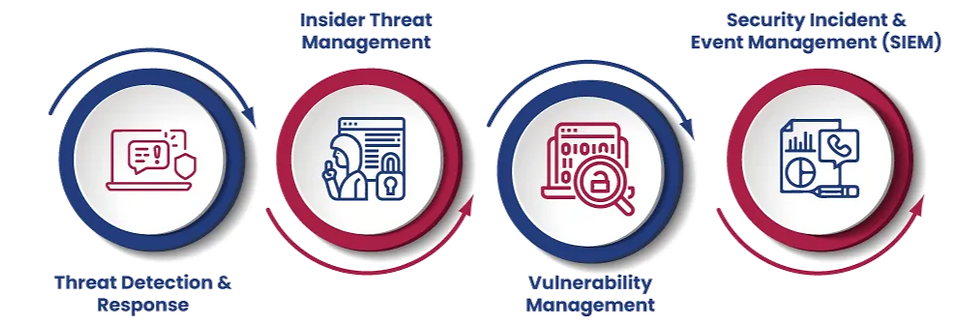
Conclusion
artificial intelligence is revolutionizing cybersecurity by augmenting human capabilities, enabling proactive threat detection and response, and empowering organizations to stay ahead of evolving cyber threats. By embracing AI-driven technologies responsibly, organizations can enhance their cybersecurity posture and protect their digital assets in an increasingly complex threat landscape.


Comments